
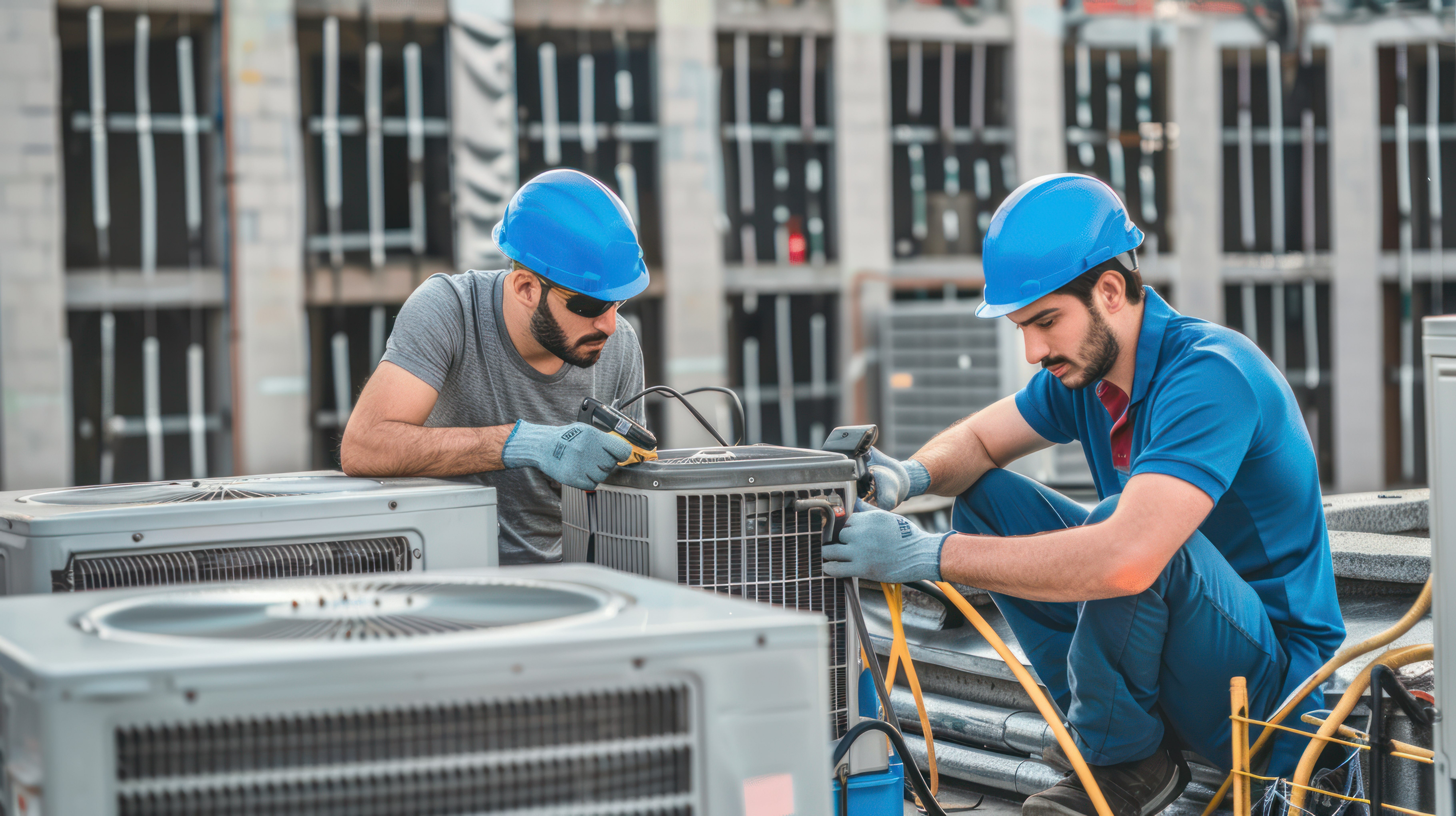
Air conditioning systems rely on several components working together to deliver comfortable indoor temperatures. One of the most important elements behind this process is the refrigerant. Without it, cooling simply would not be possible.
Refrigerants are the substances that absorb and release heat as they circulate through an air conditioning system. Combined with efficient components such as compressors and fan motors, they help maintain optimal indoor conditions in homes, offices, and commercial buildings.
As HVAC technology evolves, understanding the different refrigerants in air conditioning, their uses, and their environmental impact has become increasingly important for technicians, businesses, and property owners.
Refrigerants are specialized chemical compounds used in cooling systems to transfer heat. Inside an air conditioning system, the refrigerant continuously changes between liquid and gas states, absorbing heat from indoor air and releasing it outside.
This heat transfer cycle is what allows air conditioners to cool indoor spaces effectively.
The efficiency of an air conditioning system depends heavily on the type and quality of refrigerant used.
Over the years, the HVAC industry has introduced different refrigerants to improve efficiency and reduce environmental impact.
R22 was once widely used in air conditioning systems due to its effective cooling properties. However, it has been gradually phased out in many countries because it contributes to ozone depletion.
R410A is one of the most common modern refrigerants used in residential and commercial air conditioning systems. It provides better cooling performance and does not harm the ozone layer.
R32 is becoming increasingly popular due to its lower global warming potential and higher energy efficiency compared to some older refrigerants.
This refrigerant is commonly used in automotive air conditioning systems and certain commercial refrigeration applications.
Each type of refrigerant has unique properties, and selecting the correct one is crucial for system performance and compliance with environmental regulations.
Refrigerants alone cannot produce cooling. They work alongside several mechanical and electrical components within the HVAC system.
Key components include:
For example, high-quality fan motors such as the Genteq Air Conditioner Motor help circulate air efficiently through the cooling system, ensuring that the heat exchange process works effectively.
Reliable motors improve airflow and help the system operate smoothly, especially in commercial HVAC setups.
While refrigerants play a crucial role in cooling systems, some older types have raised environmental concerns.
Older refrigerants such as R22 release chlorine into the atmosphere, which can damage the ozone layer.
Certain refrigerants can contribute to greenhouse gas emissions if released into the atmosphere.
Many countries now regulate refrigerants to reduce environmental damage. As a result, modern systems are increasingly designed to use more environmentally friendly refrigerants.
The HVAC industry continues to move toward sustainable cooling technologies that balance efficiency with environmental responsibility.
The performance of an air conditioning system depends not only on refrigerants but also on the quality of its components. Using reliable spare parts ensures proper airflow, efficient heat transfer, and longer system lifespan.
Businesses and HVAC professionals often rely on trusted AC spare parts companies in Dubai to source genuine components for maintenance and repairs.
High-quality spare parts help:
Working with reliable suppliers ensures that HVAC systems perform consistently in demanding climates.
When sourcing HVAC components, it’s important to work with experienced suppliers who understand the needs of modern cooling systems.
Companies such as Rajac Spares provide a wide selection of HVAC components including motors, ducts, and air conditioning spare parts designed for commercial and residential systems.
Choosing the right supplier ensures access to quality products and expert guidance when maintaining or upgrading HVAC equipment.
Refrigerants are chemical compounds used in air conditioners to absorb indoor heat and release it outdoors, enabling the cooling process.
Many modern systems use refrigerants such as R410A or R32 because they provide efficient cooling while reducing environmental impact.
Older refrigerants like R22 are being phased out because they contribute to ozone depletion and environmental damage.
Fan motors circulate air through the HVAC system. Efficient motors such as the Genteq Air Conditioner Motor improve airflow and help maintain consistent cooling.
Many technicians and businesses source components from trusted AC spare parts companies in Dubai that offer genuine HVAC products and technical support.
Yes. A refrigerant leak can significantly reduce cooling efficiency and may cause the air conditioning system to stop working properly.
Refrigerants are the backbone of modern air conditioning systems. Understanding the different refrigerants in air conditioning, their environmental impact, and their interaction with system components can help businesses and technicians maintain efficient HVAC operations.
Combined with reliable components like efficient fan motors and quality spare parts, modern air conditioning systems can deliver both performance and sustainability.
For high-quality HVAC components and spare parts, explore the wide product range available from Rajac Spares.
Visit rajacshop.com to find the right components for your air conditioning needs.
Rajac Shop is Your top destination for AC and refrigeration spare parts in Dubai, UAE. As HVAC leaders, we offer high-quality components from renowned brands . With competitive pricing and a focus on customer satisfaction, trust us for reliability, quality, and exceptional service.
Raj Air Conditioning Systems LLC
Shop #5 Metro Station
opp. Al Ghurair Center
Deira - Al Rigga - Dubai
